The evolution of casinos tracing the history from ancient games to modern gambling halls
The Origins of Gambling
The history of gambling dates back to ancient civilizations, where games of chance were often used for entertainment and social bonding. Evidence of early gambling can be traced to the Chinese, who played with rudimentary dice around 3000 BC, and to the Romans, who utilized dice games during their famous feasts. These ancient games laid the foundation for the gambling culture that would evolve over centuries, emphasizing the importance of regulation in such activities.

In many cultures, gambling was intertwined with religious rituals and festivities. The Greeks, for example, engaged in betting on sports and events, which not only entertained but also fostered a sense of community. This historical significance of gaming began to reflect in the social dynamics of the time, demonstrating how deeply embedded gambling was in human culture.
The Rise of Formal Casinos
The establishment of formal casinos began in the 17th century, with the emergence of gaming houses in Italy. The first recognized casino, the Ridotto, opened in Venice in 1638, designed to provide a controlled environment for gambling. This innovation marked a shift in gambling from a casual social activity to a more structured and regulated form of entertainment.
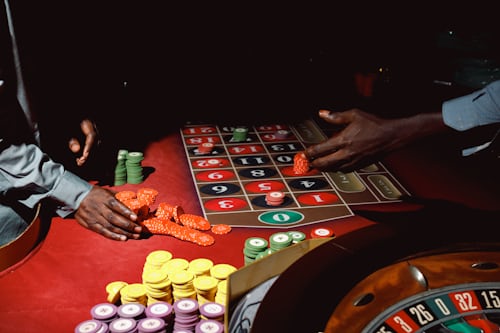
As gambling gained popularity, more countries began to establish their own casinos. France became a leader in casino culture, with establishments offering various games like baccarat and roulette. The allure of these venues attracted not just locals but also tourists, establishing casinos as essential entertainment hubs in cities across Europe.
The Expansion of Gambling in the 20th Century
The 20th century marked significant changes in the gambling landscape, particularly in the United States. Las Vegas emerged as the epicenter of the gambling world during the mid-1900s, with lavish casinos and shows drawing millions of visitors. This period saw the legalization of gambling in various states, which propelled the growth of the industry and set the standard for modern gambling experiences. For more information, visit https://cffoto.com/ to explore related topics.
The rise of online gambling in the late 1990s revolutionized the industry once again, enabling players to engage with their favorite games from the comfort of their homes. This digital shift not only expanded access to gambling but also introduced innovative gaming technologies, enhancing the overall user experience.
The Influence of Technology on Modern Gambling
Today, technology plays a crucial role in the evolution of casinos. The integration of mobile applications and online platforms allows players to enjoy a diverse range of games, from poker to live dealer experiences. This convenience has democratized gambling, enabling individuals to participate regardless of location.
Moreover, advancements in virtual reality and blockchain technology are set to further transform the gaming industry. Virtual reality casinos offer immersive experiences that mimic physical environments, while blockchain technology ensures secure transactions and transparency, appealing to a new generation of players seeking safety and fairness in gaming.
Neosurf Casino: A New Era of Online Gambling
Neosurf Casino represents the modern evolution of gambling, providing a seamless and secure online gaming experience tailored to players in Australia. With a wide selection of games ranging from classic slots to live casino options, Neosurf caters to both seasoned gamblers and newcomers alike. The platform prioritizes user privacy and security, ensuring a worry-free gaming environment.
As the gambling landscape continues to evolve, Neosurf Casino stands at the forefront, combining traditional gaming elements with innovative technology. Join Neosurf today to explore the thrilling world of online gaming, where every spin and deal offers a chance for excitement and entertainment in a safe setting.